Post by: deanwebb on September 16, 2021, 06:09:44 PM
[html]
Question Whatever sources of hires you use, are you more interested in passive or active candidates? By passive I mean people that aren't actively looking. Nick’s Reply First, you shouldn't worry about what any headhunter is interested in. Headhunters are involved in relatively few hires among all jobs that get filled every day. You should be focused instead on conducting your own job search and cultivating good professional contacts. Most hires come from respected sources in your field that know and recommend you. That's why websites like LinkedIn and Indeed are lousy sources of hires and jobs. They have no
Join us for discussion! LinkedIn & Indeed aren’t good sources of hires because they don’t know anybody
Question
Whatever sources of hires you use, are you more interested in passive or active candidates? By passive I mean people that aren't actively looking.
Nick’s Reply
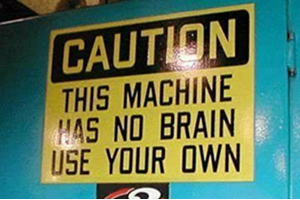 First, you shouldn't worry about what any headhunter is interested in. Headhunters are involved in relatively few hires among all jobs that get filled every day. You should be focused instead on conducting your own job search and cultivating good professional contacts. Most hires come from respected sources in your field that know and recommend you.
That's why websites like LinkedIn and Indeed are lousy sources of hires and jobs. They have no brain! I'll explain why it's painfully obvious in a moment, even if employers pour billions of dollars into these third-rate database companies masquerading as second-rate database companies.
Real sources of hires (and jobs)
As a headhunter, I'm not interested in candidates. I'm interested in sources of the best candidates. It's important to understand this. When an employer posts a job, its HR department looks in the wrong places — the job boards — to find as many candidates as it can. HR likes to say it's "sourcing" job candidates. But it's hardly sourcing when a job board runs a program that matches sequences of characters in a job description to characters in millions of resumes.
I'll jump over the 200 keyword-matched candidates (passive or active) that LinkedIn or Indeed delivers, to instead talk to one or two "shining lights" in the industry or field I hunt in. These respected, successful people know a handful of workers who would be best for my client — maybe you! — and that's all I need to fill a job. That's what I get paid for: Having sources who know the best.
So, while I place candidates, I look for good sources first. Then I don't have to find candidates. (I don't care a rat's patootie for database matches.)
What do they know?
The database jockeys behind these job boards will answer that they do recommend the best candidates — the ones with the highest matches! So, why don't they bill for their services only when the employer hires one? (Check out Indeed sucks on a leading HR podcast.) I challenge any job board to operate under this model: Pay per hire. They'd never risk it because they don't really know the candidate.
So what matters is not whether the candidate is active or passive. It's whether the headhunter has access to good referrals, recommendations and introductions in the professional community in which they operate. This is how we find only the few best candidates, whether they're "looking" or not — and that's why the headhunter doesn't need 1,000 keyword-matched profiles.
That's why job boards are a lousy way to fill or find a job. They deliver massive digital dumpsters full of "keyword-matched" resumes for employers to wade through, because they don't know anybody so they cannot recommend the best candidates.
My sources need to know you
What makes this good for you is that you don't need a headhunter (much less Indeed!). You just need to do what headhunters do: Rely on credible referrals.
- Participate in your professional community.
- Seek out the most skilled, talented, respected workers — the ones others turn to for opinions, advice and help.
- Hang out with them.
- Get to know them.
- Help them get to know you.
- (Don't forget to be really good at the work you do.)
It’s up to you to be known to the sources employers and headhunters rely on.